The Importance of Sugar Beet Vs Sugar Cane: a Closer Appearance at Their Manufacturing Processes and Applications
The value of sugar beet and sugar cane expands past their duty as resources of sucrose. Each crop features unique manufacturing procedures that influence their applications across various industries. While sugar beet sustains not just food manufacturing yet also biofuels and fertilizers, sugar cane mainly offers the food sector with valuable byproducts. Comprehending these distinctions exposes just how each crop shapes farming economic situations and market methods worldwide, motivating more expedition into their one-of-a-kind contributions.

Review of Sugar Beet and Sugar Cane
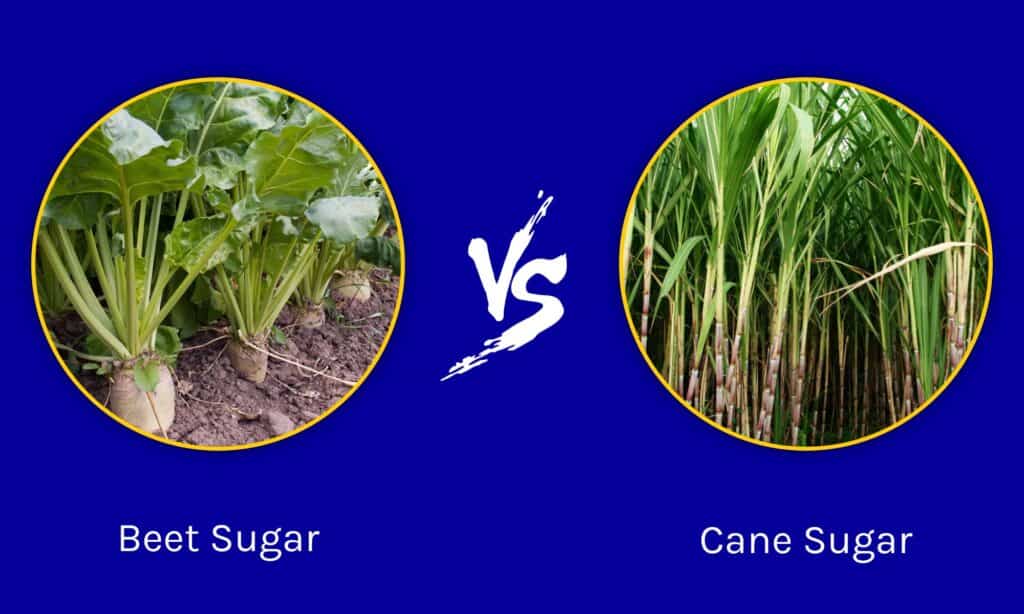
Sugar beet and sugar cane are two primary resources of sucrose, each with distinct characteristics and cultivation approaches. Sugar beet, an origin veggie, grows in pleasant climates - Sugar beet vs sugar cane. It is cultivated largely in the North Hemisphere and requires well-drained dirt. The plant typically expands to a height of about 18 inches, with a white, fleshy root including regarding 15-20% sucrose. On the other hand, sugar cane is a tropical turf that prospers in warm, humid conditions. It can reach elevations of approximately 12 feet and is composed of tall, jointed stems that shop sucrose concentrations varying from 10-15%. The cultivation of sugar cane is labor-intensive and frequently entails hands-on harvesting. Both crops work as crucial farming assets, providing resources for sugar production and various spin-offs. Their farming practices significantly affect regional economic situations and international sugar markets, making them important to the agricultural landscape
Collecting Methods for Sugar Beet and Sugar Cane
Gathering techniques for sugar beet and sugar cane differ noticeably as a result of the distinct attributes of each crop. Sugar beet harvesting usually employs specific equipment called beet harvesters, which successfully root out the beets from the dirt while minimizing damage. These devices utilize a collection of blades to reduce the tops and lift the origins, making sure that the beetroots continue to be intact for processing.In comparison, sugar cane harvesting typically includes two key methods: hands-on cutting and mechanical harvesting. Hands-on harvesting, still widespread in some areas, requires employees to cut the cane stalks by hand making use of machetes. This approach permits selective harvesting however is labor-intensive. Mechanical harvesters have acquired appeal, employing turning blades to reduce and collect the stalks promptly. Both methods aim to optimize yield and top quality, with mechanical harvesting increasingly embraced to meet rising production demands efficiently.
Handling Approaches for Sugar Beet
After being collected, sugar beetroots undergo a collection of handling steps to extract sucrose efficiently. The primary step includes cleaning the beetroots to eliminate soil and pollutants. Next off, the beetroots are sliced into slim strips called cossettes, which enhances the surface location for extraction. These cossettes are then based on warm water extraction in a diffusion process, permitting sucrose to liquify into the water.Following extraction, the juice consists of pollutants and is cleared up using lime and warmth to precipitate solids. The made clear juice is then focused through dissipation, eliminating excess water and raising sugar focus. To crystallize the sucrose, the focused juice undergoes further dissipation and cooling, creating sugar crystals. These crystals are separated from the remaining syrup with centrifugation, dried out, and packaged for circulation. This approach ensures a high return of sucrose while maintaining the quality of the end product.
Handling Techniques for Sugar Cane
Handling sugar cane involves a series of actions designed to Click This Link remove sucrose efficiently. The process begins with harvesting, where mature sugar cane is cut and delivered to processing facilities. As soon as at the mill, the cane goes through cleaning to eliminate impurities. The following action is crushing, where mechanical rollers extract juice from the coarse stalks.This juice is after that clarified making use of warm and lime to eliminate put on hold solids and impurities. Adhering to clarification, the juice is evaporated to focus the sugar content, resulting in a thick syrup. The syrup undertakes formation, where sugar crystals create as the syrup cools. These crystals are divided from the staying molasses via centrifugation.Finally, the sugar is dried and packaged for circulation. This extensive processing method guarantees that sugar cane generates a high-quality product, ideal for numerous cooking and commercial applications, while optimizing the removal of sucrose from the raw material.
Nutritional Distinctions In Between Sugar Beet and Sugar Cane
The comparison in between sugar beet and sugar cane prolongs beyond their handling techniques to encompass considerable dietary distinctions. Sugar beet includes not just sucrose but also a variety of vitamins and minerals, consisting of vitamin C, potassium, and magnesium. These nutrients add to its potential health advantages, such as sustaining immune feature and maintaining electrolyte balance. In contrast, sugar cane mainly provides sucrose with very little levels of crucial nutrients.Additionally, sugar beet has a greater fiber content, which can aid in digestion and advertise satiation. The presence of antioxidants in sugar beet might additionally supply safety effects versus oxidative stress and anxiety, a factor connected to various chronic conditions. While both resources are largely made use of for sugar manufacturing, the dietary accounts suggest that sugar beet might supply extra wellness advantages compared to sugar cane. This distinction is crucial for customers looking for more than just sweeteners in their diet plans.
Applications of Sugar Beet in Different Industries
A variety of industries take advantage of sugar beet for its flexible applications past sugar manufacturing. In the food market, sugar beet works as an essential component in producing various processed foods, consisting of sweets and baked products, as a result of its natural sweet taste. Furthermore, the pulp derived from sugar beet is utilized as animal feed, providing a nutrient-rich resource for livestock.In the biofuel sector, sugar beet is progressively recognized for its possibility in creating bioethanol, adding to renewable power services. The farming industry advantages from sugar beet's results, which can be made use of as organic plant foods, enriching dirt health and fertility.Furthermore, sugar beet extracts are utilized in drugs and cosmetics, where they work as natural sugar and humectants. These varied applications highlight sugar beet's function as a useful resource in boosting sustainability and advancement throughout numerous sectors, reinforcing its relevance in contemporary manufacturing techniques.
Applications of Sugar Cane in Different Industries

Often Asked Questions
What Ecological Influences Are Related To Sugar Beet and Sugar Cane Manufacturing?
The environmental effects of sugar beet and sugar cane production include dirt deterioration, water usage, chemical application, and environment interruption. These elements contribute to eco-friendly imbalances, increasing issues concerning sustainability in agricultural practices connected with both plants.
Exactly How Do Sugar Beet and Sugar Cane Compare in Regards To Economic Practicality?
The economic stability of sugar beet and sugar cane differs based on aspects like geographic place, production prices, and market need - Sugar beet vs sugar cane. Both plants use distinct advantages, influencing farmers' choices relating to farming and financial investment in different areas
What Are the Key Regions for Sugar Beet and Sugar Cane Cultivation?
How Does Climate Affect the Growth of Sugar Beet and Sugar Cane?
Climate substantially influences the growth of sugar beet and sugar cane. Sugar beets click here for more info thrive in Read Full Article cooler temperatures, while sugar cane needs cozy, exotic conditions. Sugar beet vs sugar cane. Both crops depend on ample rains and sunlight for perfect advancement and yield
Are There Any Kind Of Significant Health Problems Associated With Consuming Sugar From These Sources?
Wellness issues relevant to sugar consumption consist of excessive weight, diabetes, and heart disease. Both sugar beet and sugar cane-derived sugars can add to these concerns, especially when consumed in too much amounts, regardless of their resource.